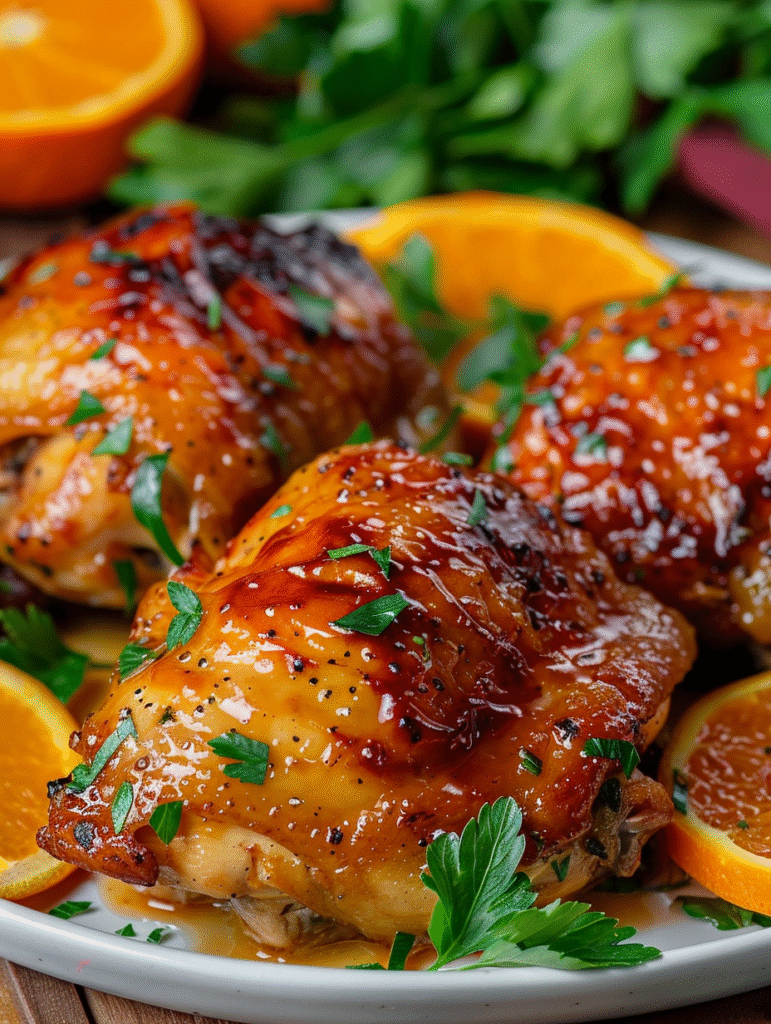
When it comes to weeknight dinners that look gourmet but require minimal effort, Caramelized Orange Glazed Chicken stands in a league of its own. This dish combines the deep richness of roasted chicken with the bright, citrusy sweetness of fresh oranges, creating a glossy, sticky glaze that transforms simple ingredients into an unforgettable culinary experience.pinterest
Whether you’re a seasoned home cook looking to elevate your dinner rotation or a beginner seeking a recipe that’s both forgiving and impressive, this dish delivers stunning flavor without the fuss. In this comprehensive guide, we explore everything you need to know: from ingredients and preparation tips to serving ideas, storage advice, and expert techniques for achieving perfect caramelization.
What Makes Caramelized Orange Glazed Chicken Special?
This recipe isn’t just another sweet chicken dish. It captures a delicate balance between savory depth and citrus brightness thanks to three core elements.recipescrea.com
A Naturally Sweet, Sticky Glaze
The sauce uses fresh orange juice, honey or brown sugar, and aromatic herbs. When simmered, the mixture thickens into a glossy glaze that adheres beautifully to crispy chicken skin.
A Harmony of Simple Ingredients
There are no obscure ingredients or complicated techniques—just citrus, pantry staples, and chicken. The magic lies in the slow reduction of the glaze, which concentrates flavors into a caramelized finish.
A Versatile, Crowd-Pleasing Flavor Profile
The sweet and savory combination appeals to both adults and children, making it ideal for family dinners, holidays, date nights, and meal prep. It also works well with thighs, drumsticks, wings, or boneless chicken.
Ingredients You Need (and Why They Matter)
Great cooking starts with understanding your ingredients. Here’s what you’ll need and how each element enhances the final dish.
Chicken Thighs
Skin-on, bone-in thighs are best because they stay juicy, crisp well, and absorb the glaze. You may also substitute drumsticks, wings, or boneless cuts with reduced cooking time.
Fresh Oranges
Both the juice and zest are used for brightness, natural sweetness, and aromatic depth.
Sweeteners
Honey or brown sugar contributes to caramelization and helps create the sticky glaze.
Garlic
Adds savory complexity and balances the sweetness.
Soy Sauce
Brings umami depth and enhances the color.
Butter
Optional but helps create a rich, smooth glaze.
Fresh Herbs
Parsley, thyme, or rosemary add freshness and aroma.
Seasonings
Salt, pepper, and optional spices allow you to customize the flavor.
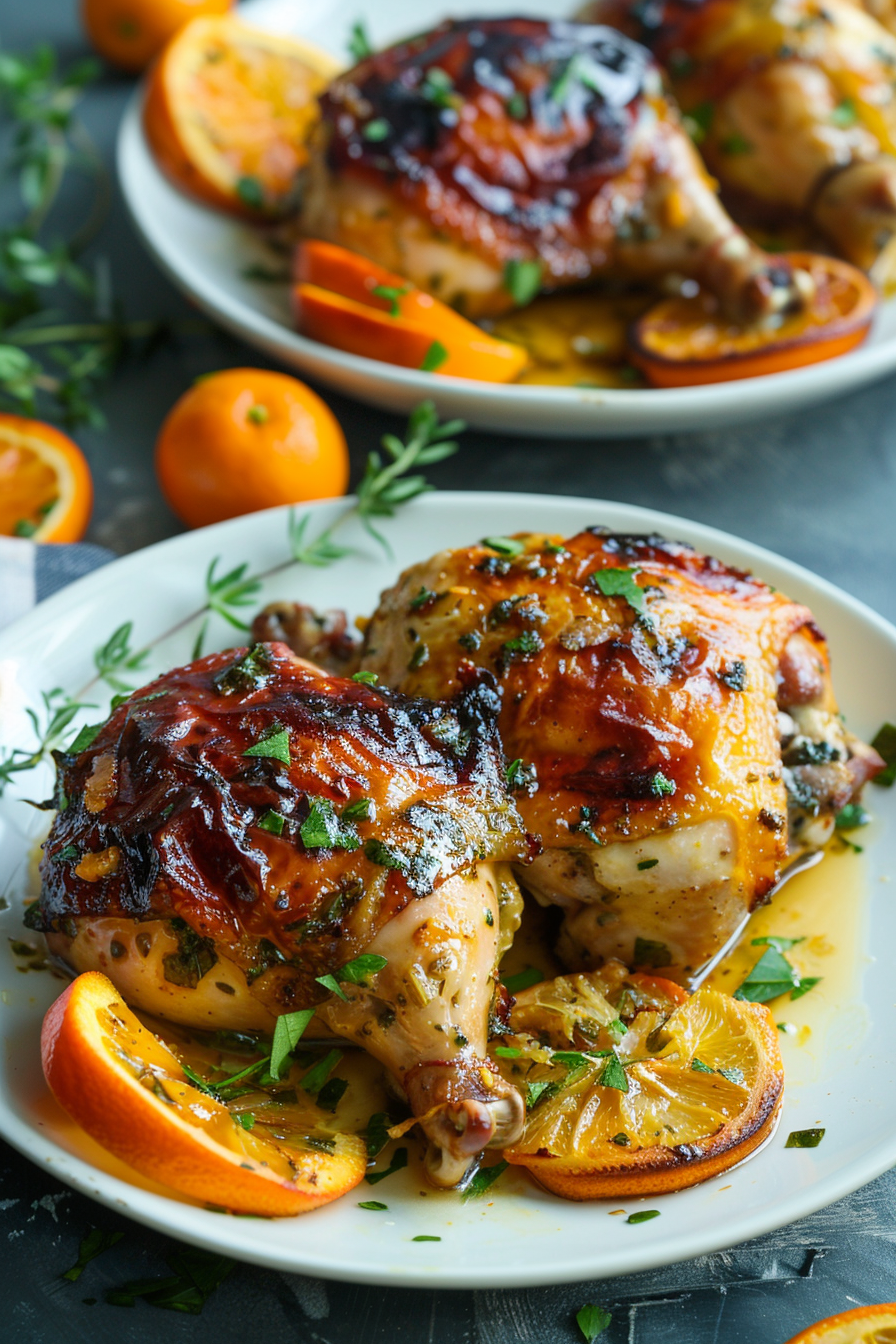
Step-by-Step Guide to Perfect Caramelized Orange Glazed Chicken
1. Prepare the Chicken
Pat the chicken dry. Season generously with salt and pepper. You may add paprika or chili flakes for heat. Dry skin helps ensure crispiness.
2. Sear the Chicken
Heat a skillet with oil. Place chicken skin-side down and sear until golden and crisp. Flip and sear the other side. This step helps lock in moisture and develop flavor.
3. Build the Glaze
In the same pan, add garlic, fresh orange juice, zest, honey or sugar, and soy sauce. Simmer until slightly thickened.
4. Bake to Perfection
Transfer the chicken to an oven preheated to 400°F (200°C). Baste occasionally. Cook until the internal temperature reaches 165°F (74°C).
5. Add Fresh Herbs
Sprinkle chopped herbs before serving for a bright finishing touch.
Expert Tips for Perfect Caramelization
Use medium heat to prevent burning.
Allow the sauce to reduce slightly before baking.
Sear thoroughly for crisp skin.
Always use fresh citrus for maximum flavor.
Broil briefly at the end for deeper caramelization if desired.
Flavor Variations
Spicy Orange Glaze
Add chili flakes, sriracha, or jalapeño.
Citrus Blend
Combine orange juice with lemon, lime, or tangerine for more complexity.
Moroccan Twist
Use cumin, turmeric, cinnamon, and a touch of harissa.
Garlic and Ginger Fusion
Add freshly grated ginger for an Asian-inspired touch.
What to Serve With This Dish
Carbs
White rice, garlic rice, couscous, quinoa, or mashed potatoes.
Vegetables
Roasted carrots, broccoli, asparagus, or green beans.
Fresh Sides
Orange and fennel salad or mixed greens with citrus vinaigrette.
Storage and Reheating Instructions
Refrigerate leftovers for up to four days.
Freeze for up to three months.
Reheat in the oven at low heat with a splash of liquid to keep the chicken moist.
Avoid the microwave to maintain crisp skin.
Common Mistakes to Avoid
Burning the glaze by using high heat.
Skipping the sear and losing crispiness.
Using bottled citrus instead of fresh.
Overcrowding the pan, which causes steaming instead of browning.
Nutritional Overview
Depending on the cut, each serving provides approximately:
Calories: 380–450
Protein: 26–30 grams
Carbohydrates: 18–22 grams
Fat: 20–25 grams
This dish is naturally gluten-free and rich in protein.
Why This Recipe Works
Fresh orange juice contains natural sugars that caramelize beautifully.
Soy sauce enhances umami richness.
Rendered chicken fat boosts flavor and texture.
Slow reduction intensifies the glaze and improves consistency.
Presentation Tips
Use fresh herbs and orange slices for visual appeal.
Brush extra glaze on top before serving for a glossy finish.
Serve on contrasting plates for a restaurant-quality presentation.
Final Thoughts
Caramelized Orange Glazed Chicken delivers a perfect balance of sweet, savory, and citrusy flavors with minimal effort. It suits both everyday meals and special occasions, offering elegance without complexity. Once you master the caramelization technique, you can adapt it endlessly to match your taste.